
Olive oil, a cornerstone of the Mediterranean diet, is celebrated not only for its culinary versatility but also for its significant health benefits. Derived from the fruit of the olive tree, this ancient oil is rich in healthy fats and potent antioxidants, making it a valuable addition to a balanced diet.
Health Benefits:
Research has extensively documented the positive impacts of olive oil consumption on human health. A key contributor to these benefits is its high concentration of monounsaturated fatty acids (MUFAs), particularly oleic acid. MUFAs are known to help lower levels of “bad” LDL cholesterol while potentially increasing “good” HDL cholesterol, contributing to improved cardiovascular health. Studies have linked regular olive oil intake to a reduced risk of heart disease and stroke.
Beyond its fatty acid profile, olive oil, especially extra virgin varieties, is packed with antioxidants, including polyphenols and vitamin E. These compounds help combat oxidative stress and inflammation in the body, which are underlying factors in many chronic diseases, including certain cancers, neurodegenerative disorders, and metabolic syndrome. Oleocanthal, a polyphenol in extra virgin olive oil, has anti-inflammatory effects like ibuprofen.
Varieties of Olive Oil:
Olive oil is classified into different grades based on its processing, acidity level, and quality. The most common varieties include:
- Extra Virgin Olive Oil (EVOO): The highest grade, produced by cold-pressing olives without chemical treatments or excessive heat. EVOO has a low acidity level (typically below 0.8%) and a rich, fruity flavour with distinct aromas. It retains the highest levels of beneficial antioxidants and polyphenols.
- Virgin Olive Oil: Also produced by mechanical means, but with a slightly higher acidity level (up to 2%) and may have minor flavour defects compared to EVOO. It still retains a good number of beneficial compounds.
- Refined Olive Oil: Obtained from virgin olive oils through refining processes involving heat and/or chemicals to neutralize acidity and remove impurities. This results in a blander taste, lighter colour, and fewer nutrients.
- Olive Oil (Pure Olive Oil): A blend of refined olive oil and a small amount of virgin or extra virgin olive oil to add some flavour and aroma. It is a multi-purpose oil with a more neutral taste than virgin grades.
- Light and Extra Light Olive Oil: These terms refer to the colour and flavour, not the calorie content. They are typically refined olive oils with a very mild taste, often used when a strong olive flavour is not desired.
- Olive Pomace Oil: Extracted from the leftover olive pulp after the initial pressing, often using solvents and heat. It is then refined and blended with some virgin olive oil. It is generally the lowest quality grade.
The Science Behind the Benefits:
The health benefits of olive oil are primarily attributed to the synergistic effects of its main components:
- Oleic Acid: As a monounsaturated fat, oleic acid helps improve cholesterol levels and may play a role in reducing inflammation and supporting cell membrane health.
- Polyphenols: These powerful antioxidants scavenge free radicals, reduce oxidative damage, and possess anti-inflammatory properties. The variety and concentration of polyphenols are highest in extra virgin olive oil, contributing to its more pronounced health effects and distinct flavour.
- Other Minor Compounds: Olive oil also contains other beneficial compounds like squalene and phytosterols, which may contribute to its overall health-promoting properties.
Culinary Uses:
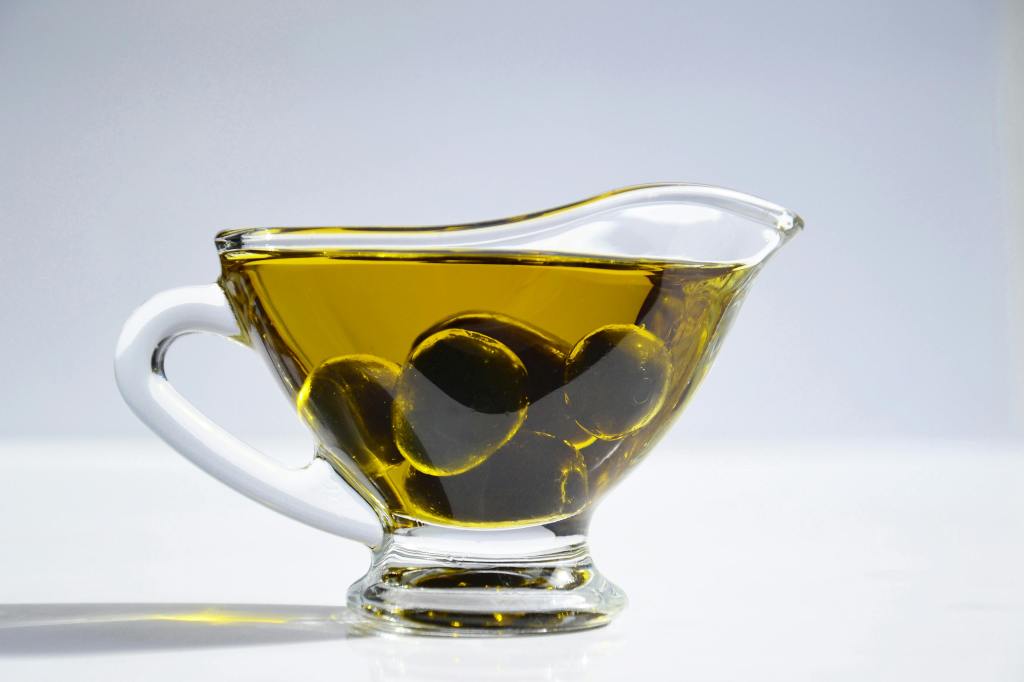
The different grades of olive oil lend themselves to various culinary applications:
- Extra Virgin Olive Oil: Best used in raw applications like salad dressings, dipping oils, pesto’s, and as a finishing drizzle over cooked dishes to appreciate its delicate flavour and maximize its health benefits. It can also be used for light sautéing.
- Virgin Olive Oil: Suitable for similar uses as EVOO, as well as for low to medium-heat cooking.
- Refined, Pure, Light, and Extra Light Olive Oils: Due to their higher smoke points and milder flavours, these grades are better suited for high-heat cooking methods such as frying, roasting, and baking, where the distinct flavours of virgin oils might be overpowering or the heat too high for their stability.
- Olive Pomace Oil: Generally used for high-volume frying and in the food industry.
Understanding the different types and their properties allows for selecting the most appropriate olive oil for specific culinary needs while also considering the desired health benefits. For maximising health advantages, prioritising high-quality extra virgin olive oil for everyday use, especially in uncooked applications, is recommended.
 Every Little Help
Comments
One response to “Olive Oil: Liquid Gold for Health and Flavour:”
[…] The Healthy Fats: Olive Oil as Liquid Gold: […]
LikeLike