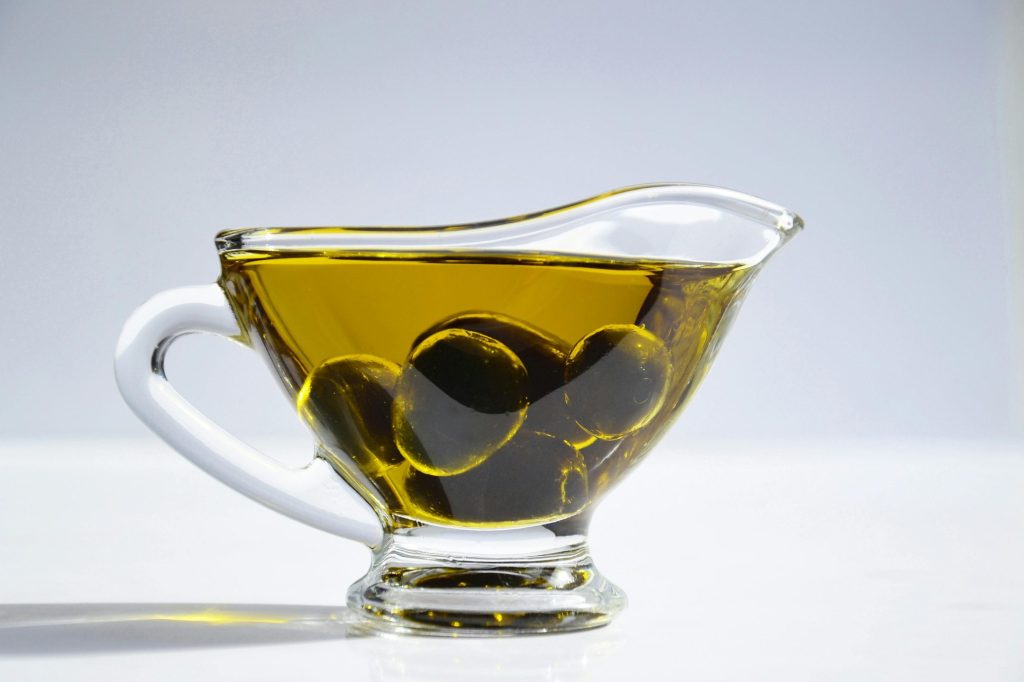
What is the mediterranean diet?
The mediterranean diet is a largely plant-based diet that also has a big focus on healthy fats. The predominant protein sources are focussed on seafoods and legumes, rather than red meats. Nuts and seeds are also a common source of protein in the Mediterranean diet. The diet typically has a limited number of dairy products, mainly yoghurt and low-fat cheeses. Low to moderate alcohol consumption, predominantly red wine is another aspect.
The mediterranean diet is based in the countries bordering the Mediterranean Sea and is mainly considered to be referring to northern Mediterranean countries such as Greece, Italy, Spain and France. Mediterranean islands such as Malta and Cyprus also contribute to this diet. Its proximity to the sea, and the mild climate of the region have a huge influence on the diet.
The Mediterranean diet is a lifestyle centred on fresh, whole foods, along with physical and social wellbeing. Mealtimes are socially important, and cooking is viewed as an enjoyable activity.
The Cornerstone: Abundant Fruits, Vegetables, and Whole Grains:
Fruits and Vegetables:
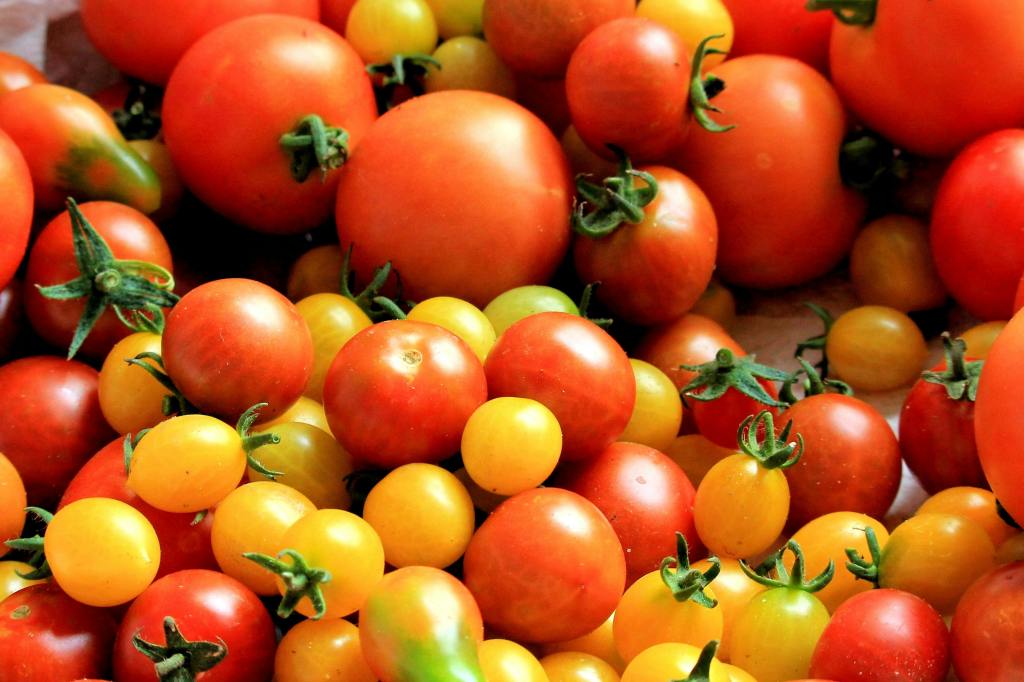
The mediterranean region boasts a hugely diverse range of fruits and vegetables. Each season offers a unique selection of fresh produce.
The summer months see sweet fruits such as figs, peaches, grapes and melons in abundance along with tomatoes, peppers and chillis. Cucumbers, courgettes and garlic are also big growers this season.
The autumn is the time for harvesting olives, onions and pumpkins. Grapes are still in abundance at this time of the year.
Winter is the time where citrus fruits like lemons and limes are abundant. Root vegetables, and leafy greens such as spinach are also found during winter.
When spring comes around fruits such as strawberries, cherries and apricots are found. Peas, beans and artichokes are grown in the spring.
The variety of fruits and vegetables available across the year in the mediterranean region provide a healthy and balanced mix of vitamins and minerals. Tomatoes, peppers and citrus fruits are rich in vitamin C. Olives, tomatoes and artichokes contain a variety of antioxidants such as lycopene. Vitamin K can be found in aubergines, cauliflower and broccoli.
Fruits and vegetables are the basis of many meals in the mediterranean.
Whole Grains:
The Mediterranean diet emphasises the consumption of minimally processed whole grains, which are commonly found in foods such as bread and pasta. Grains like quinoa, bulgur, and spelt are prevalent.
Whole grains are rich in fibre, B vitamins, and other essential minerals. They contain complex carbohydrates that contribute to satiety and provide sustained energy.
The Healthy Fats: Olive Oil as Liquid Gold:
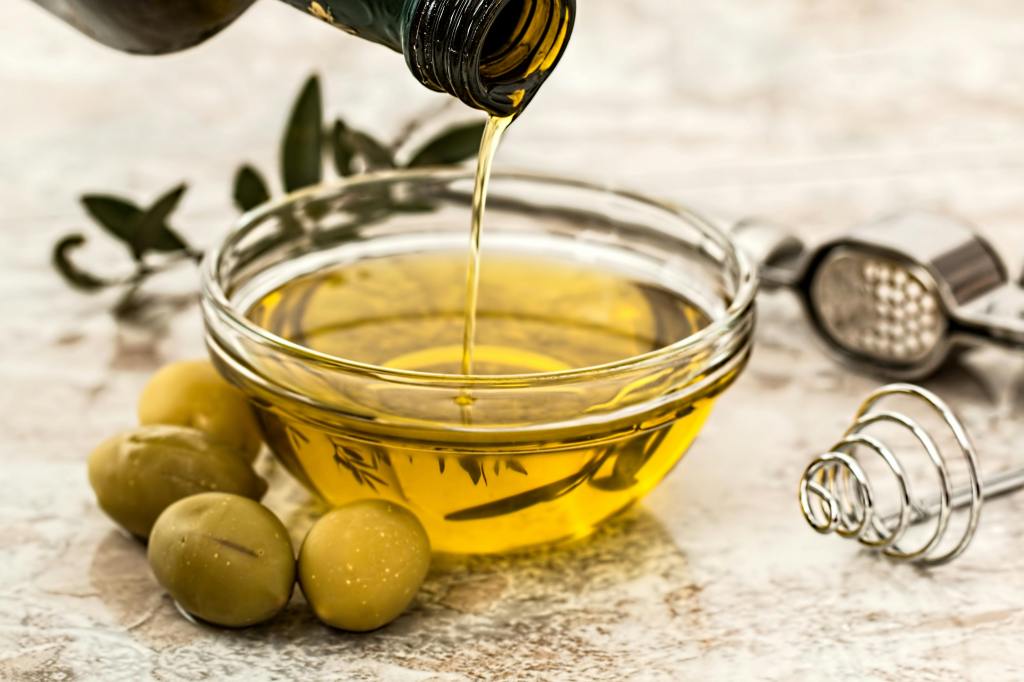
The primary source of fat in mediterranean diets is olive oil. Olive oil, especially extra virgin olive oil, is known to have various health benefits including for your heart and gut health. The heart health benefits stem from the monounsaturated fats found within olive oil. These increase the “good” HDL cholesterol, while reducing the “bad” LDL cholesterol. Olive oil contains numerous antioxidants and anti-inflammatory compounds.
Olive oil is graded according to its acidity and quality. These grades are:
- Extra virgin olive oil (acidity of 0.8% or less, and free of defects)
- Virgin olive oil (acidity of 2% or lower, with some defects)
- Olive oil (refined from virgin oil by removing the defects and colour, then blended with virgin oil for flavour)
The Protein Powerhouses: Lean Sources from Land and Sea:
Fish and Seafood:
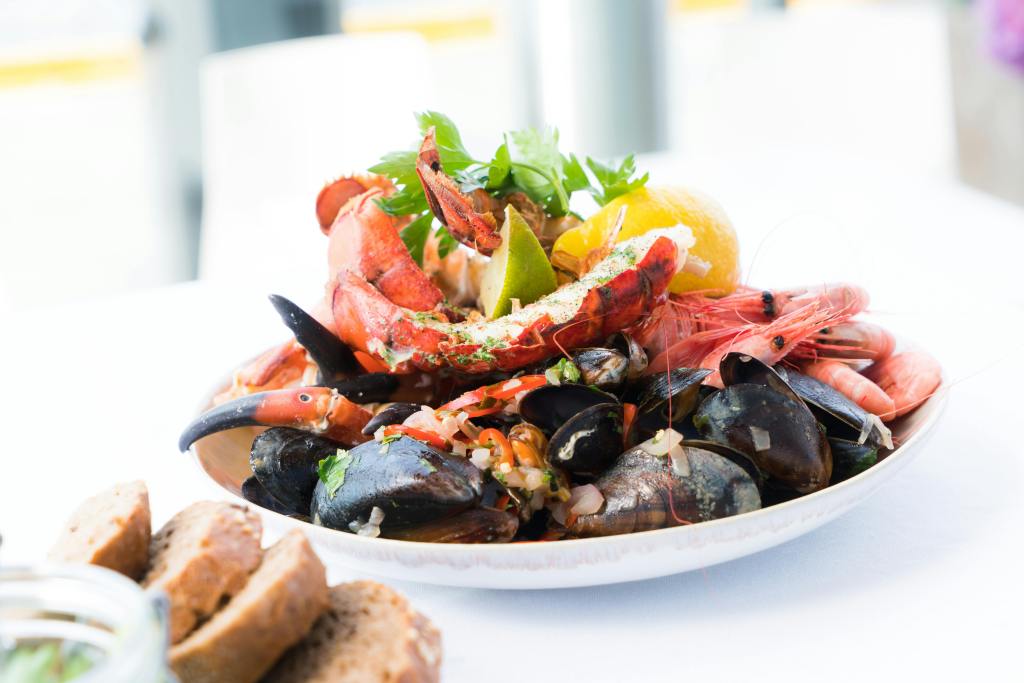
Another source of healthy fats in the mediterranean diet are the omega-3 fatty acids found in seafood. Fish and seafood make up a large proportion of the proteins consumed within this diet. It is generally recommended that seafood is consumed 2-3 time per week as part of the mediterranean diet. There is significant variety to the seafood consumed as part of this diet. Lean fish such as Cod, Haddock and Hake are common; as well as oily fish such as Salmon, Trout and Mackerel.
The main reason for the consumption of so much seafood is the beneficial nature of the omega-3 fatty acids. These along with other nutrients found in seafood are known to contribute to good cardiovascular health.
Poultry, Eggs, and Dairy:
Although consumed more moderately than seafood, poultry, eggs and dairy are all considered as essential sources of protein in the Mediterranean. Generally, lower fat dairy products are preferred over higher-fat ones. Food such as natural yoghurt and feta cheese are examples of the types of lower fat dairy products consumed in this region.
Legumes and Nuts: Plant-Based Protein and Healthy Fats:
Beans, lentils, chickpeas and nuts are important as a secondary source of protein and healthy fats, as well as fibre. These versatile foods are found in a huge amount of mediterranean cooking. Beans and lentils are often the main ingredient in a meal in this region.
Flavour and Well-being: Herbs and Spices:
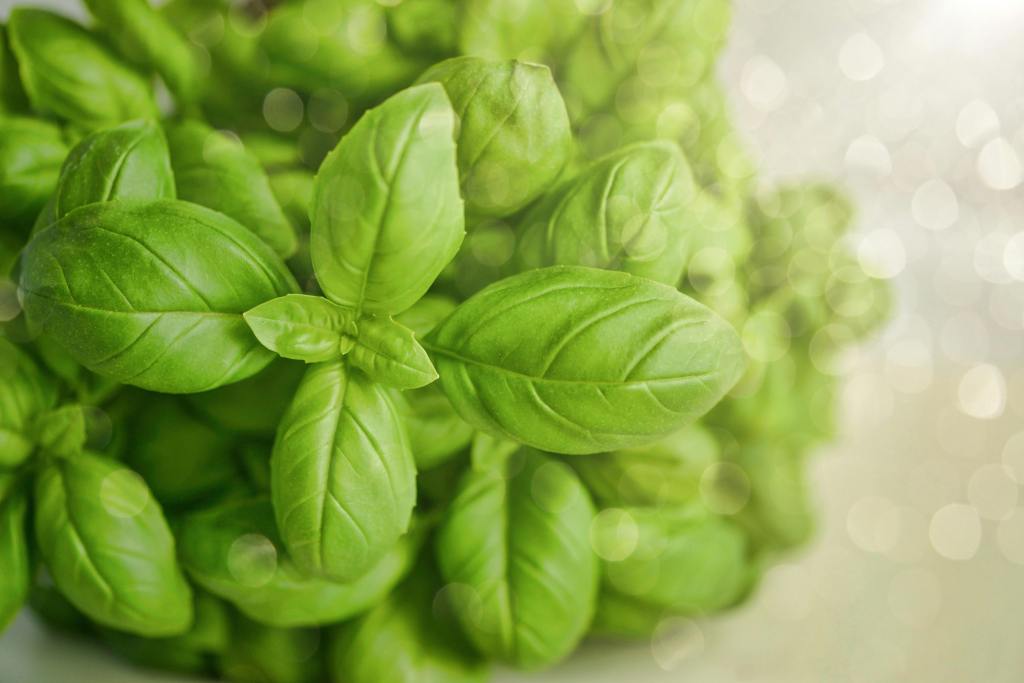
Mediterranean cuisine uses large amounts of varied herbs and spices for flavour enhancement. In some ways this can be seen as minimising or even removing the need for using salt or unhealthy fats in enhancing the flavour of dishes as is common in many cuisines.
Basil, an herb loved for its strong flavour and scent, offers a range of health benefits including antioxidant and anti-inflammatory properties, vitamin and mineral abundance and support with digestion.
Oregano has similar antioxidant and anti-inflammatory effects as well as having antibacterial properties.
The Lifestyle Component: Beyond the Plate:
In the Mediterranean region the importance of food goes beyond the health benefits found in the eating. Meals are commonly eaten with family and friends and form an important part of the social ecosystem of the region. Family groups will often cook together and see the process of creating dishes as no less important than the eating.
Conclusion:
The synergy of the varied ingredients from many food groups is fundamental to the health benefits enjoyed as part of the Mediterranean diet. The sustainability of the cuisine and the social nature of mealtimes in this region, on top of the health benefits of the food itself, contributes to the mediterranean diet being far more than just about food. It is a lifestyle.
 Every Little Help
Comments
2 responses to “The Vibrant Palette of Health: Understanding the Core of Mediterranean Cuisine”
[…] are used in a variety of ways in Mediterranean cooking. They are an integral part of many pasta sauces. In the form of passata they are used on pizza […]
LikeLike
[…] oil, a cornerstone of the Mediterranean diet, is celebrated not only for its culinary versatility but also for its significant health benefits. […]
LikeLike